
More Than Physical Therapy: Taking Care Personally
Physical Therapy, Treatments By PRO~PT
If reaching for something on a high shelf causes you shoulder pain, you may be impacted by a condition called “shoulder impingement.” A widespread cause of shoulder pain, shoulder impingements affect about half of all individuals with shoulder complaints. This condition can lead to discomfort while sleeping, difficulty raising your arm, pain with overhead activities, and stiffness.

Shoulder impingement happens when the muscular structures inside your shoulder get squeezed or pinched, causing pain and discomfort. It’s like when you are in a crowded elevator and people are pressing against each other. In your shoulder, there isn’t enough space for everything to move freely, so lifting your arm or doing certain activities can pinch the tendons and other parts in your shoulder, leading to pain.
Common symptoms of shoulder impingement include pain when lifting your arm, especially overhead, pain at night that disturbs your sleep, weakness in the affected shoulder, and difficulty with activities that require reaching or carrying heavy objects.
The good news is that there are ways to treat shoulder impingement, including exercises and physical therapy. These treatments can help relieve the pain and improve your shoulder’s function, so you can return to your normal activities. If you think you might have shoulder impingement, it’s a good idea to see a doctor or physical therapist for evaluation and guidance.To diagnose shoulder impingement, a healthcare provider, typically an orthopedic specialist or physical therapist, will perform a thorough evaluation. This may include a physical examination, imaging studies like X-rays or MRI scans, and a discussion of your medical history and symptoms.
In many cases, shoulder impingement can be successfully treated without surgery. Conservative treatments include physical therapy, exercises to strengthen the shoulder, anti-inflammatory medications, and activity modification. Resting the affected shoulder and avoiding aggravating activities can also help.
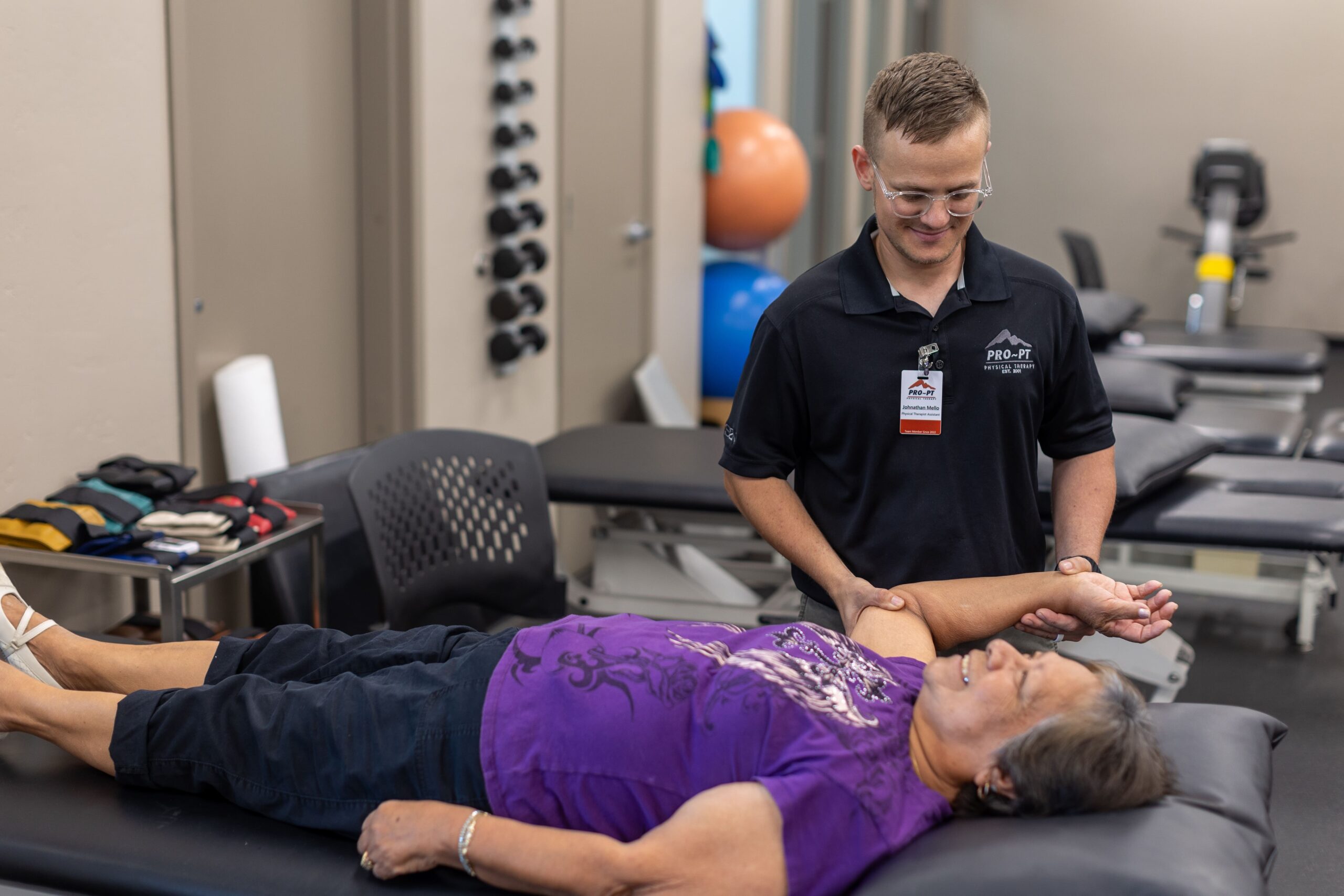
Physical therapy plays a crucial role in the non-surgical management of shoulder impingement. A physical therapist can design a customized exercise program to strengthen the muscles around the shoulder joint, improve flexibility, and correct posture issues.
If conservative treatments don’t provide relief, surgery may be considered. Surgical options for shoulder impingement include arthroscopic procedures that create more space in the shoulder joint and repair damaged tissues.
Your physical therapist will start by assessing your shoulder to determine the exact cause and severity of your impingement. They will look at your range of motion, strength, and posture to identify any contributing factors.
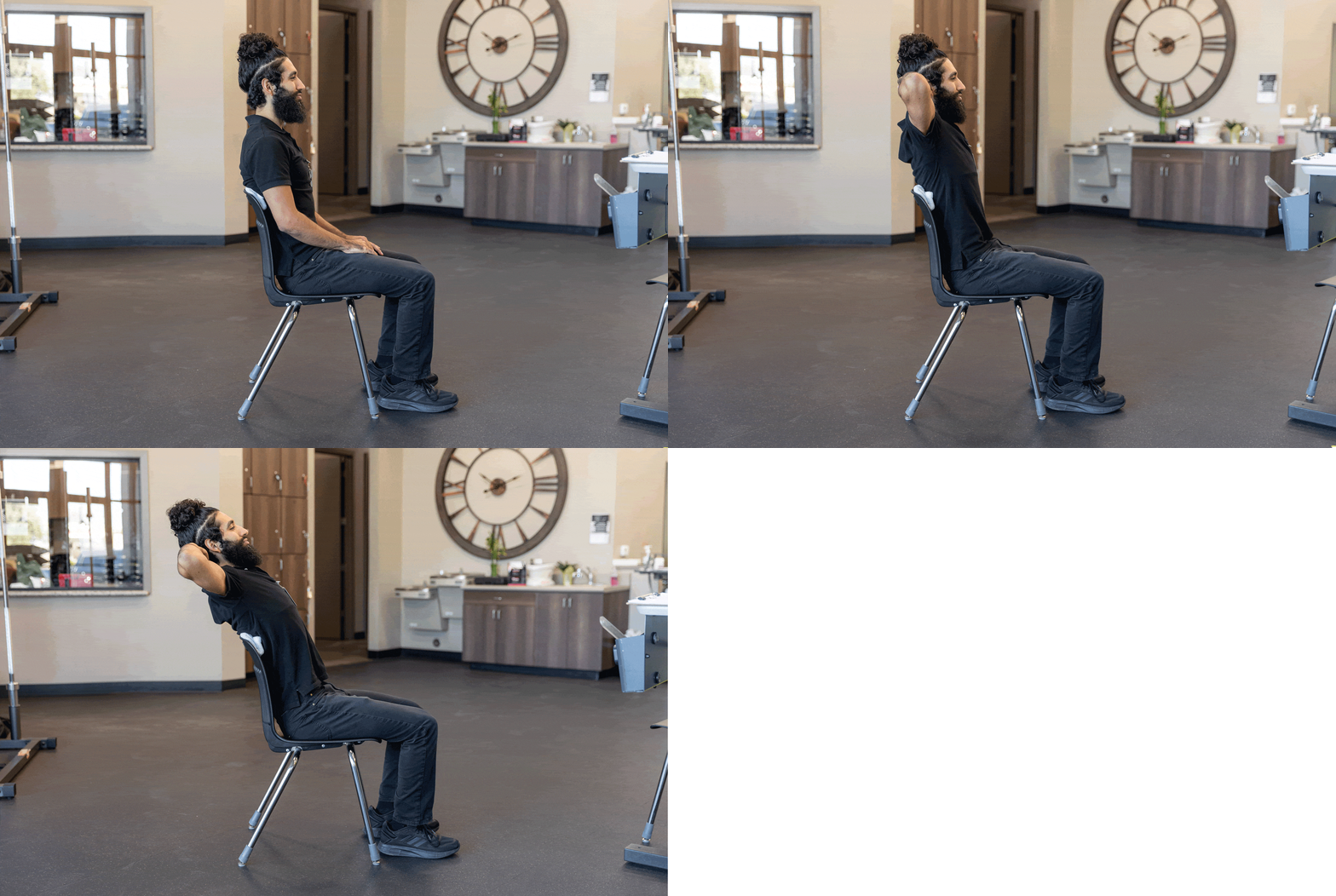
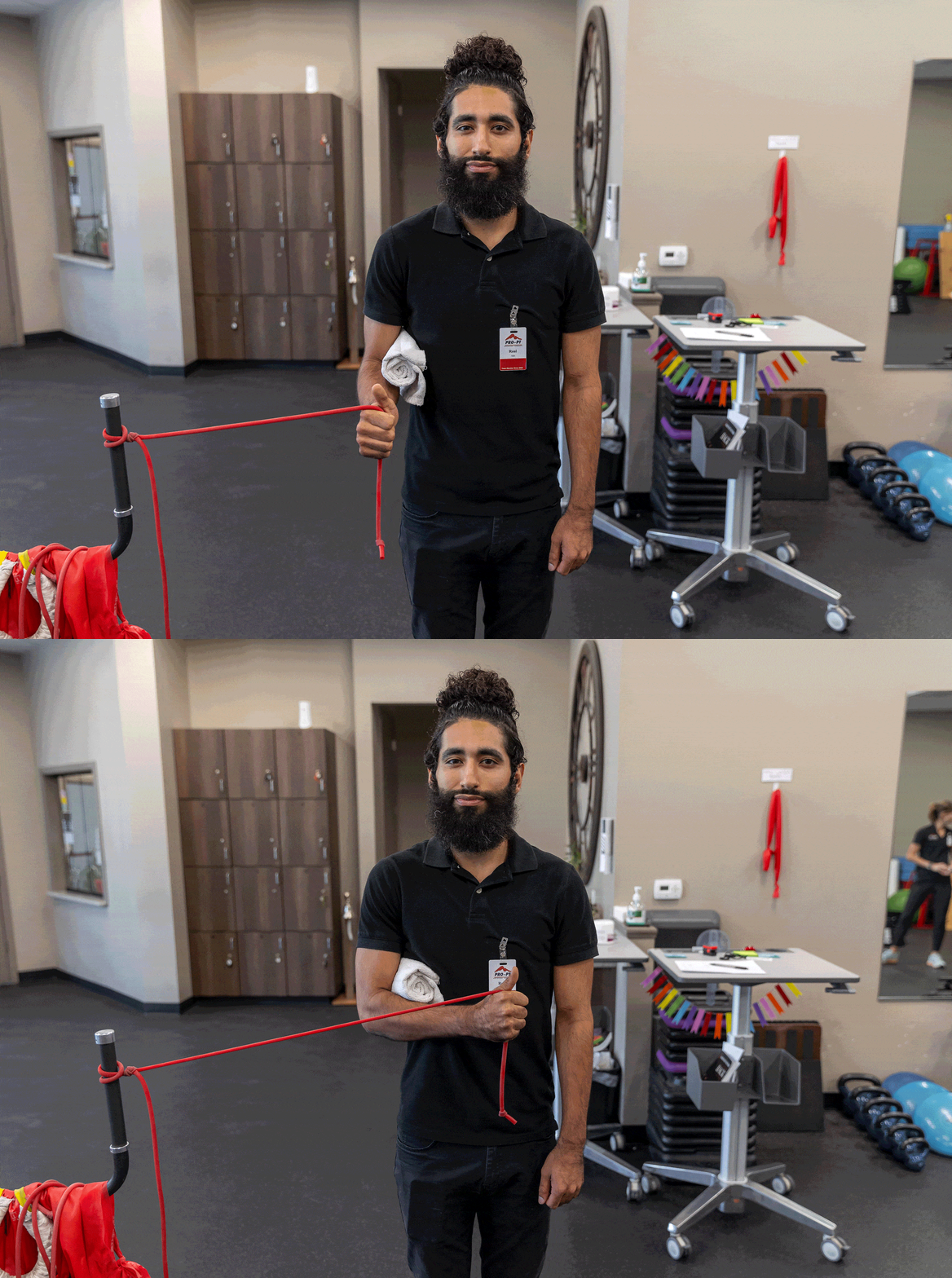
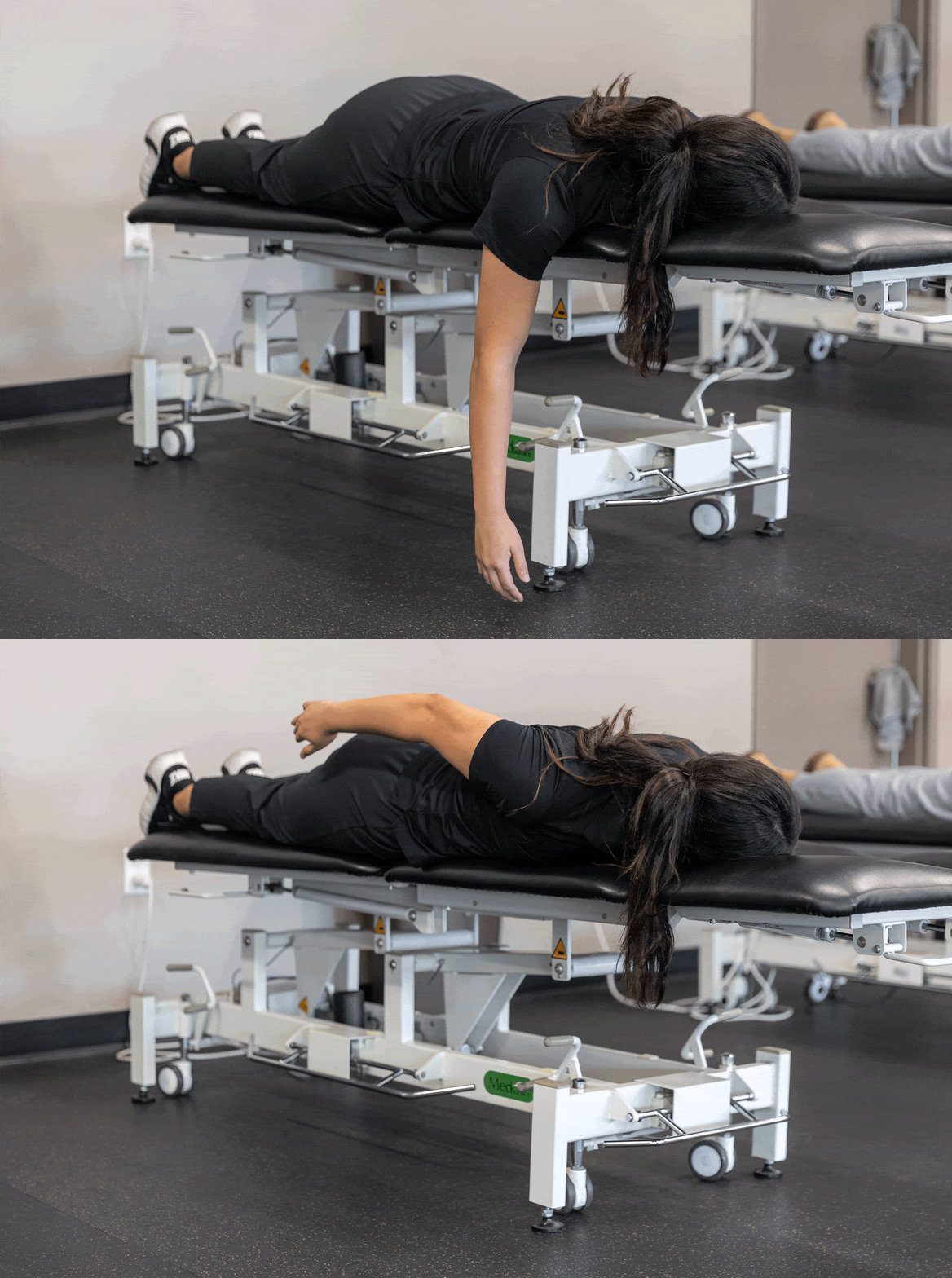
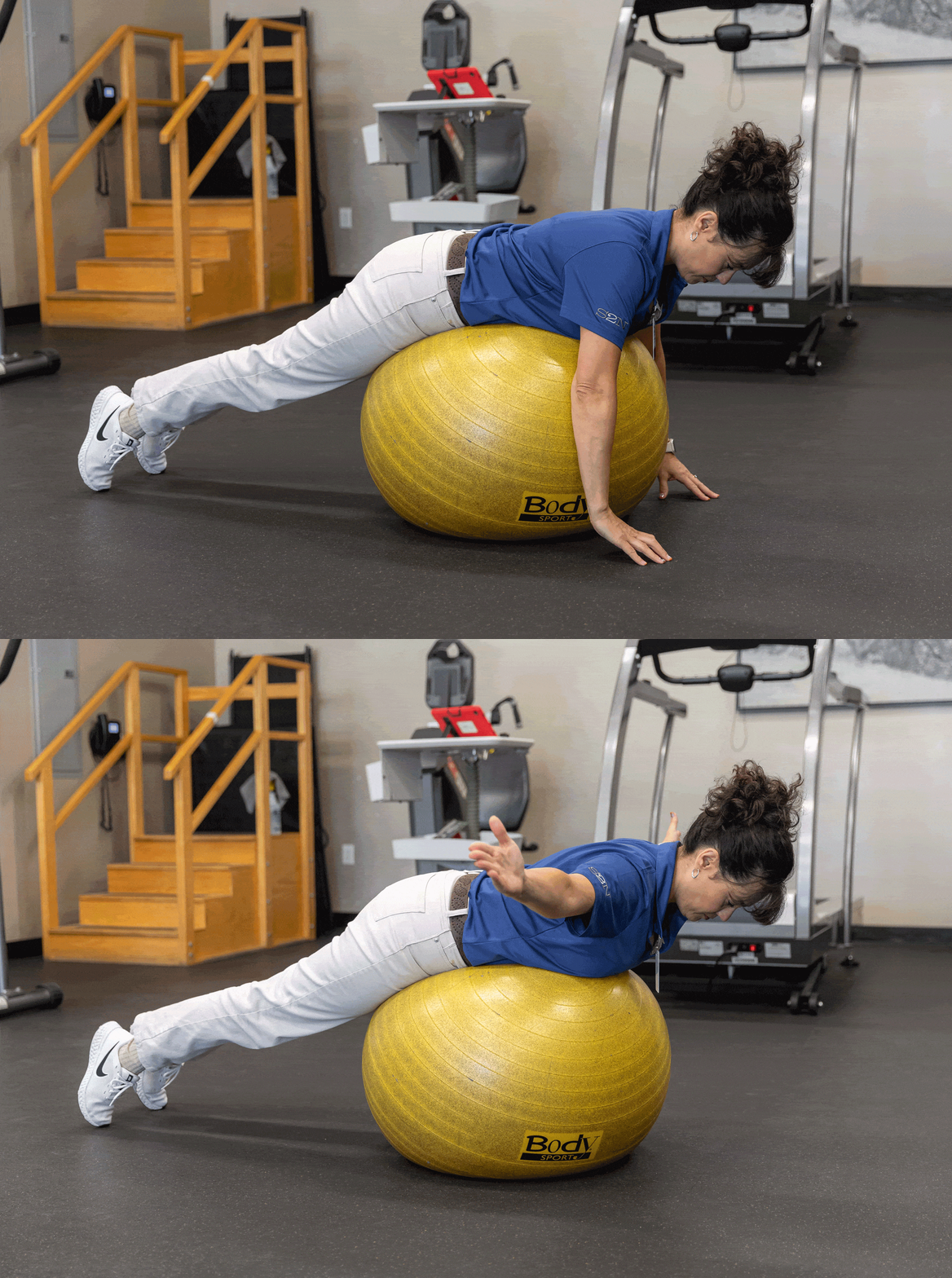
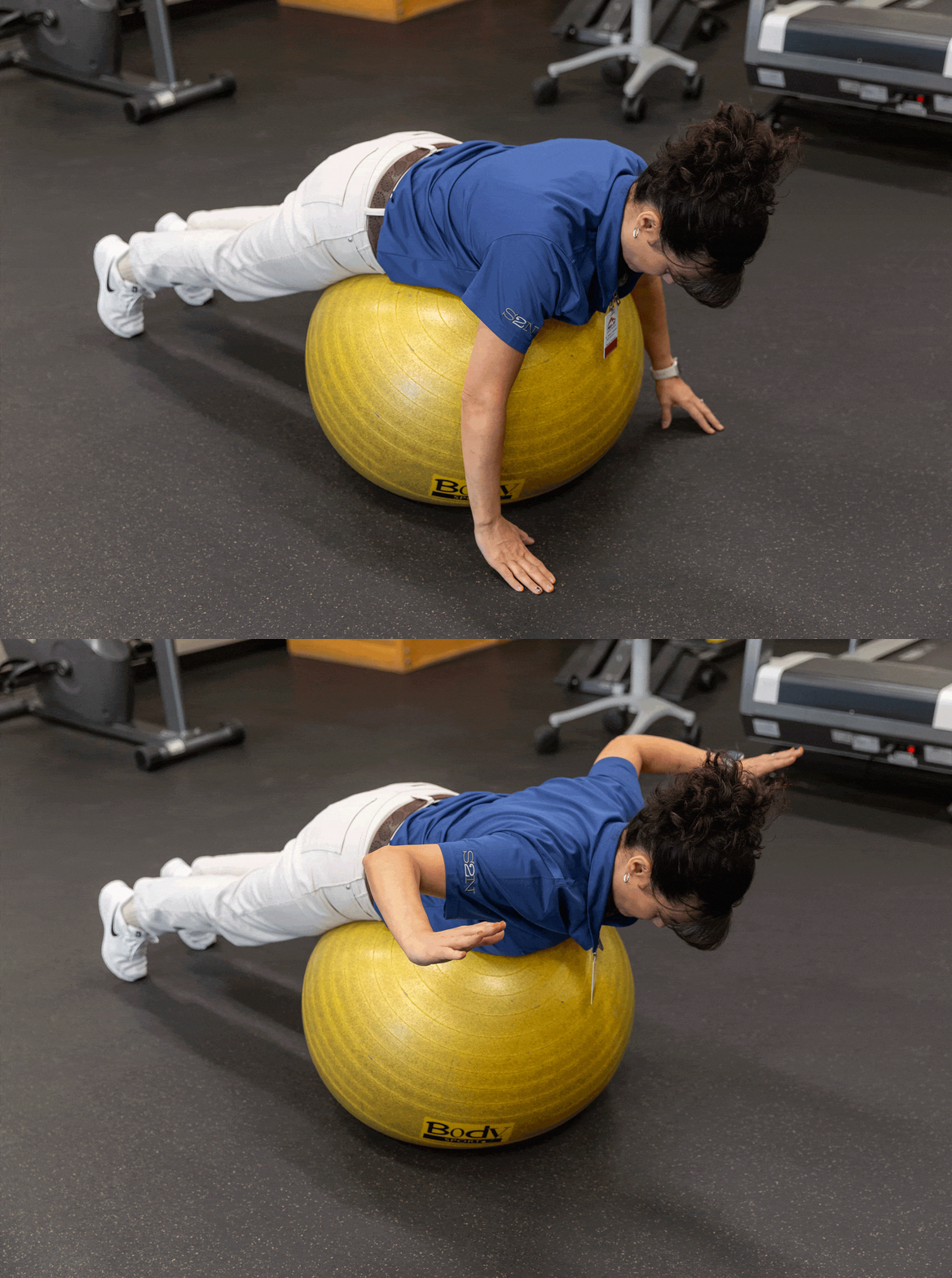
Tip: Make sure to keep your elbows straight and avoid shrugging your shoulders. Try not to arch your lower back while raising and lowering your arms.
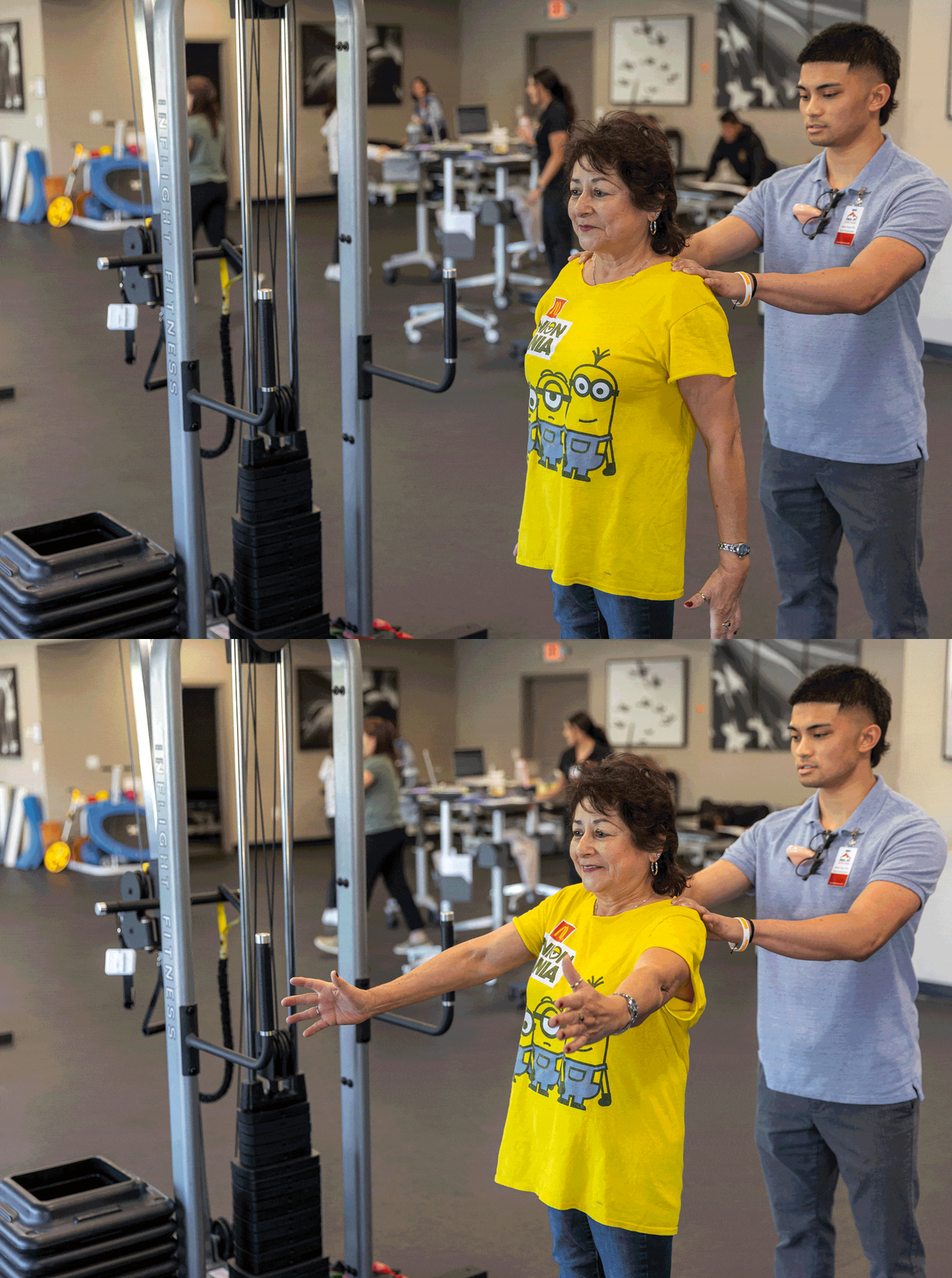
Tip: Make sure to keep your arms straight and do not shrug your shoulders. There should be a small amount of movement during the exercise.
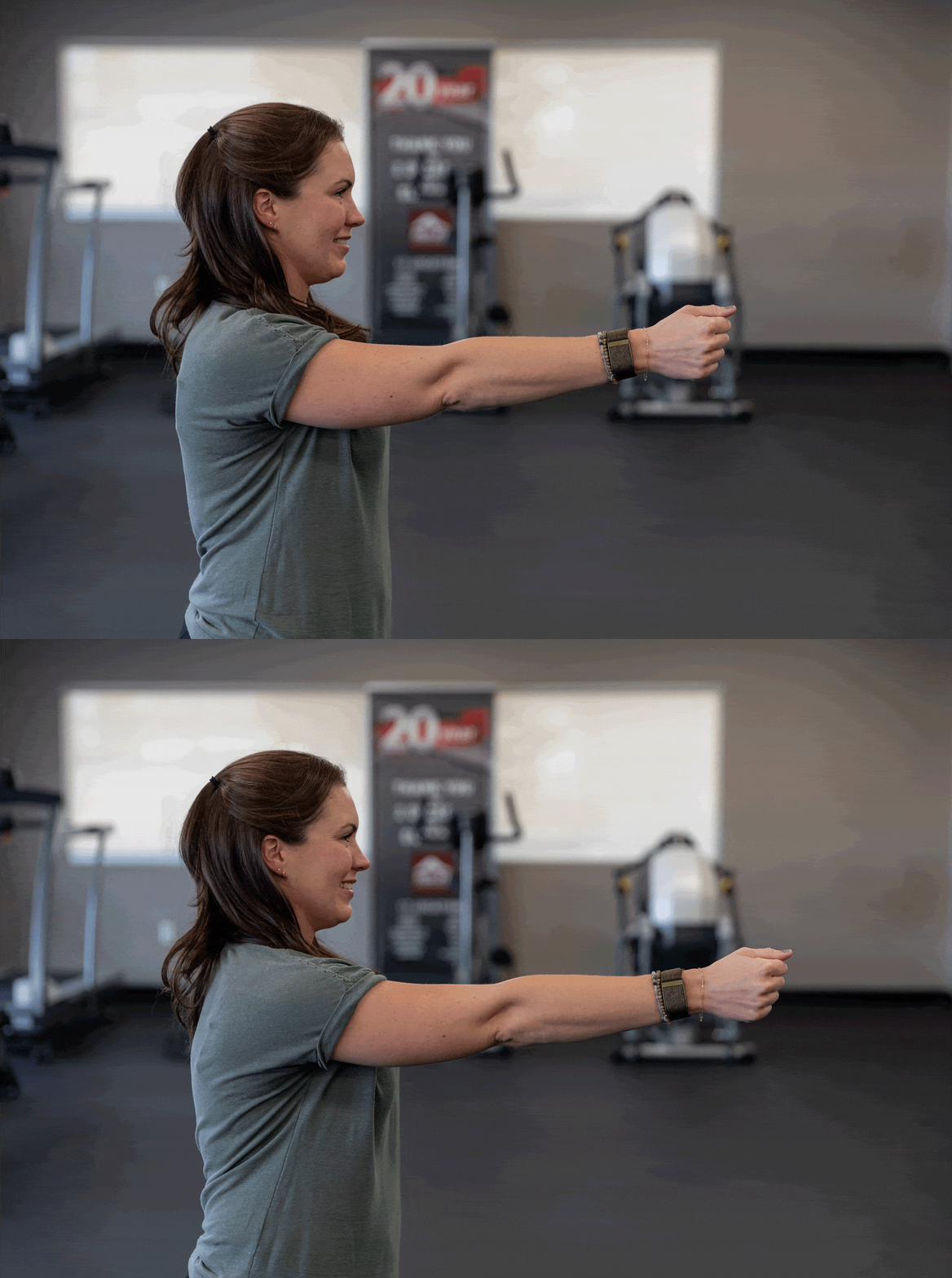
Recovery from shoulder impingement depends on factors like the severity of the condition and how well you adhere to treatment. With proper care, many people experience significant improvement in their shoulder function and a reduction in pain over time. To prevent shoulder impingement or reduce the risk of recurrence, it’s important to maintain good posture, avoid overloading the shoulder with heavy weights, use proper lifting techniques, and perform regular shoulder-strengthening exercises. Additionally, listening to your body and seeking treatment for shoulder pain early can prevent the condition from worsening. It can also be beneficial to make lifestyle adjustments, such as using ergonomic equipment and modifying activities that strain your shoulder. Shoulder impingement is a treatable condition, and seeking timely medical evaluation and following the recommended treatment plan can significantly improve your shoulder health and quality of life. If you suspect you have shoulder impingement or are experiencing shoulder pain, consult with a healthcare professional for a proper assessment and guidance.
Shoulder impingement is a common condition that can cause significant discomfort and restrict your daily activities. At your local PRO~PT clinic, we offer effective, evidence-based solutions to help you achieve lasting relief. Don’t let shoulder pain hold you back—schedule an appointment with PRO~PT today and take the first step towards a pain-free, active lifestyle. Request an appointment today.