More Than Physical Therapy: Taking Care Personally
Physical Therapy, Treatments By PRO~PT
Running, or the perpetual state of falling, is the most accessible form of exercise on the planet. All you need to participate in this activity is you (the runner) and a pair of shoes. Runners exercise on the road, trails, or treadmills, and everyone has different preferences. When observing runners, you might notice that everyone has a different form, also known as mechanic, when practicing. This leads to a big question: what are the best running mechanics, and how can you achieve them? In reality, there is not one generally best running mechanic. The best choice is dependent on the runner themselves and their associated anatomical presentation. Studies suggest a strong correlation between running mechanics and some running-related injuries.
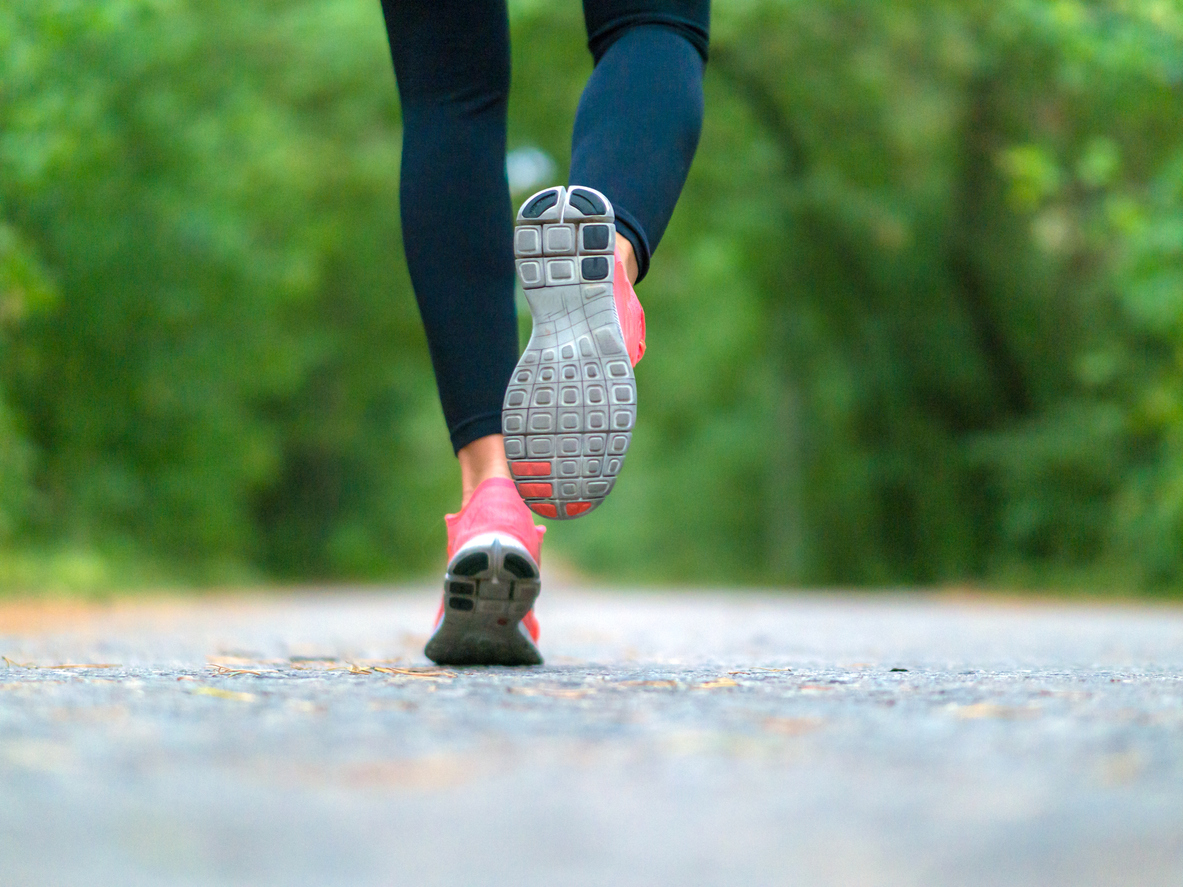
Running mechanics should always take into account the joint range of motion (ROM) and bony anatomy of the individual.
Joint range of motion is the amount of excursion a joint can move through. One of the most important joints used during running activities is the ankle joint. A ROM restriction in the ankle joint will bias a runner to run more through their forefoot or midfoot because people with this issue typically lack the ROM to perform a heel strike.
A runner’s bony anatomy needs to be taken into consideration when analyzing body movements during runs. For example, an individual may stand with their toes turned out—a stance that carries into their running form. Attempting to fix this by encouraging running with toes straight forward could lead to hip and knee pain. These, and many other anatomical considerations, need to be taken into account when improving your running form.
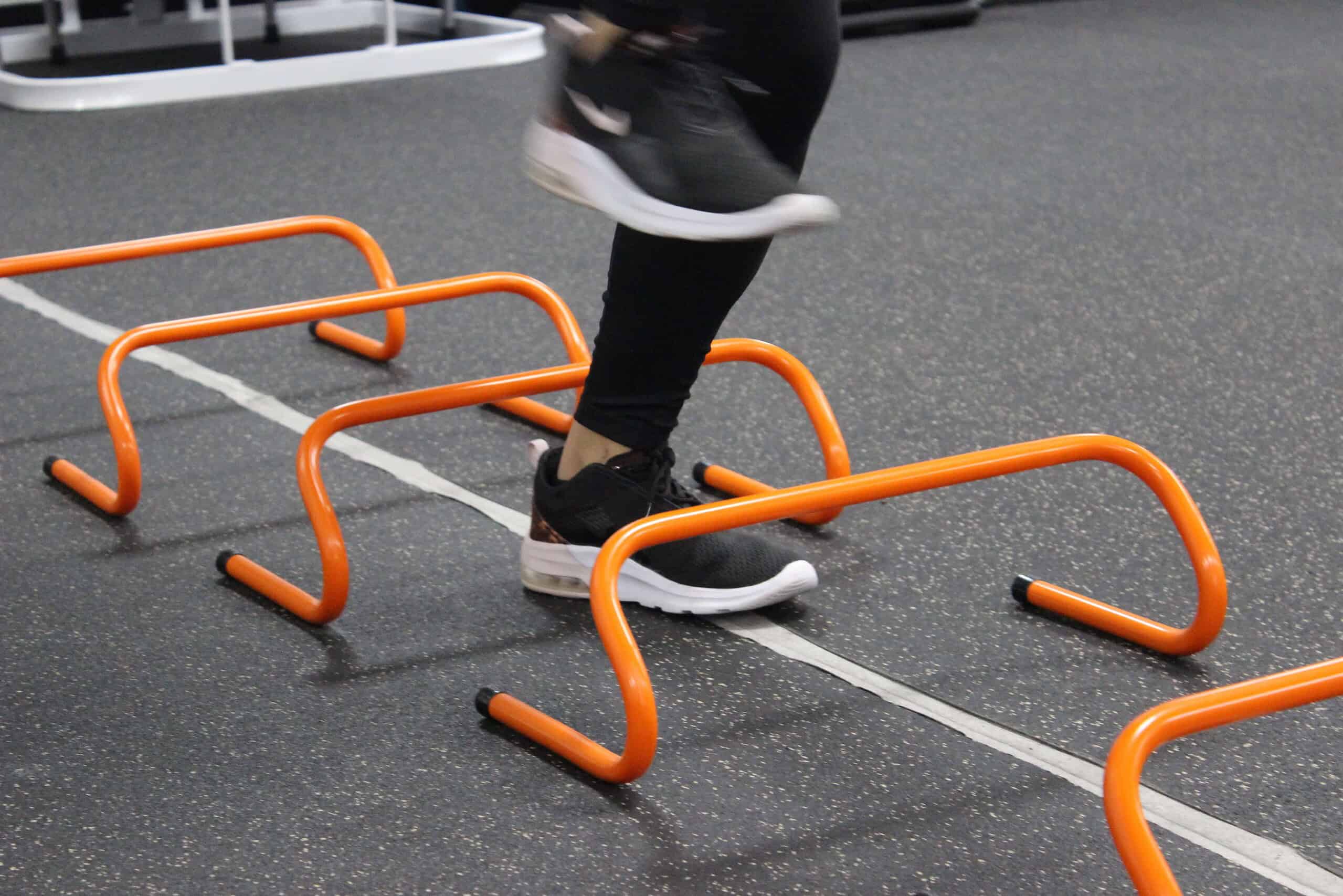
There is significant evidence that running mechanics are connected to some running-related injuries. Some common mechanics that were found to lead to injuries were:
These are common findings seen in a running analysis of injured runners. The good news is that gait analysis and retraining can significantly reduce your injury rate. A trained physical therapist is vital to the success of your gait analysis and retraining plan—knowing which mechanical issue to tackle first and when to layer in the next step in your plan relies on experience. For example, a runner’s cadence (steps per minute) should be retrained at a select percentage of their current rate. This is typically completed on a treadmill—a runner will increase their speed when increasing their cadence. A physical therapist can also give visual feedback to those with excessive hip motion or a cross-over gait pattern.
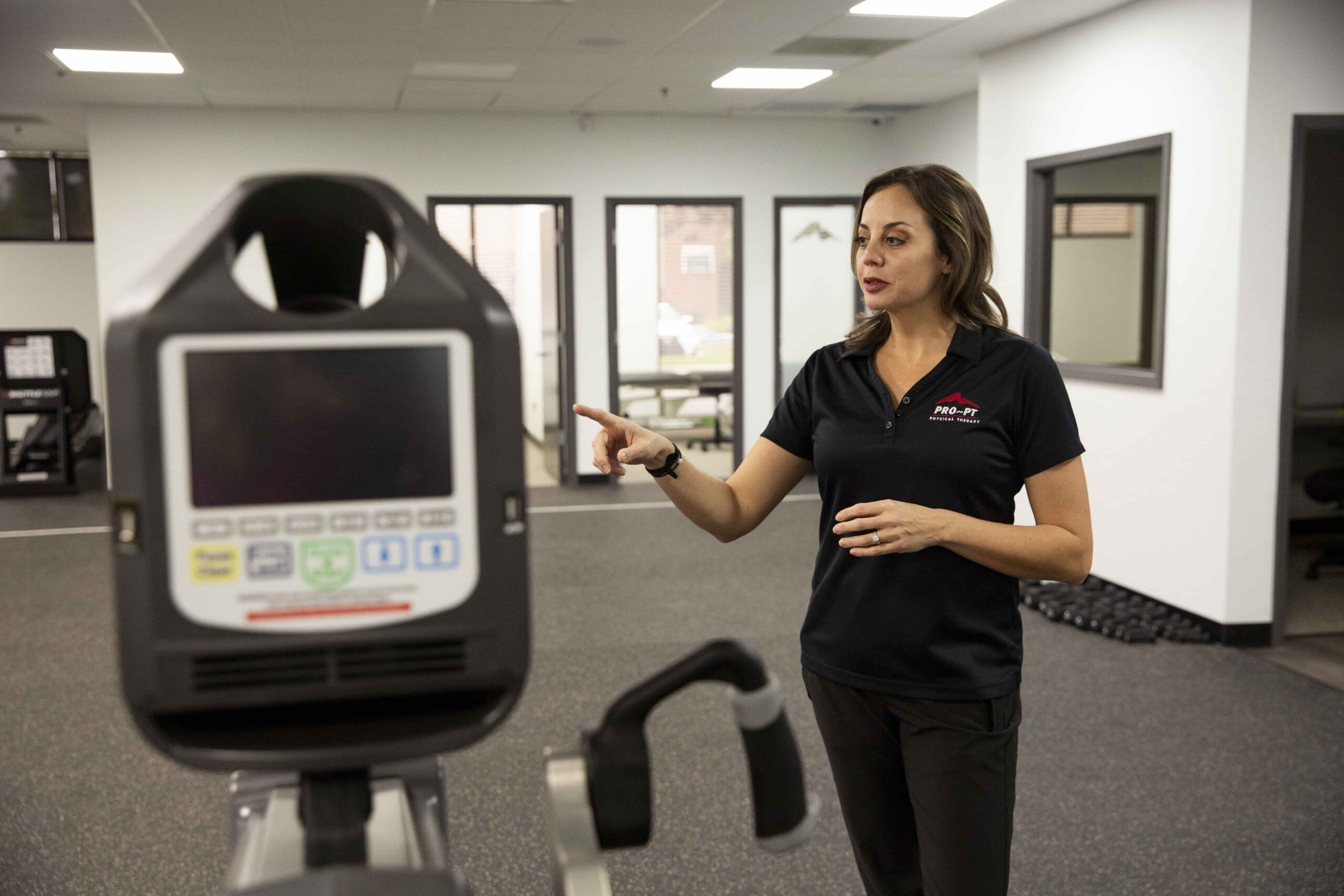
How can seeing a physical therapist help with your running mechanics? At PRO~PT, our therapists are ready to work with runners who experience pain or want to improve their performance. Our therapists are very knowledgeable of the sport and its demands on the body. We even have a specialty program called PRO~Running. During your time at PRO~PT, you will undergo a comprehensive evaluation.
This will give us all the information needed to begin developing your plan for changing your mechanics to get you running without difficulties.
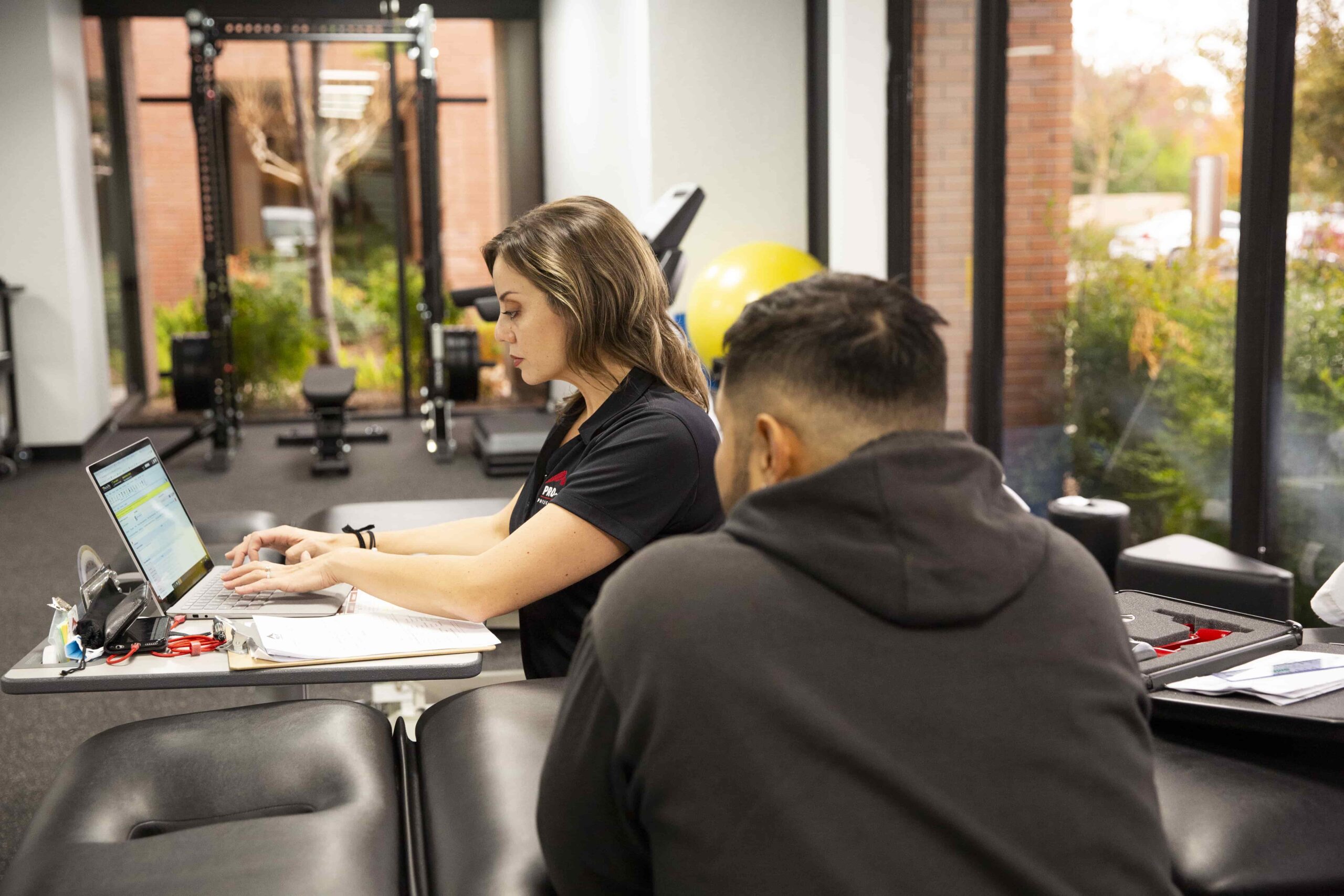
With its comparatively drier weather—especially in the summer—the Central Valley of California is a great spot to practice your running and improve your times. Check out our guide to top running and walking trails in the Fresno County area for more tips on running in this climate.
The following exercises can help you prevent injury and properly train your muscles for running.
Done with a Mirror for visual feedback.
Done with a Mirror for visual feedback.
To start you on your journey to improving your running mechanics, PRO~PT and Fleet Feet Fresno have come together to offer runners a complimentary 15-minute consultation with a trainer or physical therapist every third Wednesday of the month. Visit the Fleet Feet website to learn more and schedule your consultation today.