More Than Physical Therapy: Taking Care Personally
Physical Therapy, Treatments By PRO~PT
Fresno County has some of the best weather in California along with great views and many open spaces—the perfect place to make getting in a good run or walk a regular routine. That’s why we’ve put together a list of the best trails for walking or running in Fresno County, in and around Fresno, Clovis, Sanger, and Reedley. Walking and running are two of the most beneficial and feasible forms of exercise and leisure activities available to anyone. After checking out our list of trails, keep reading to learn more about:
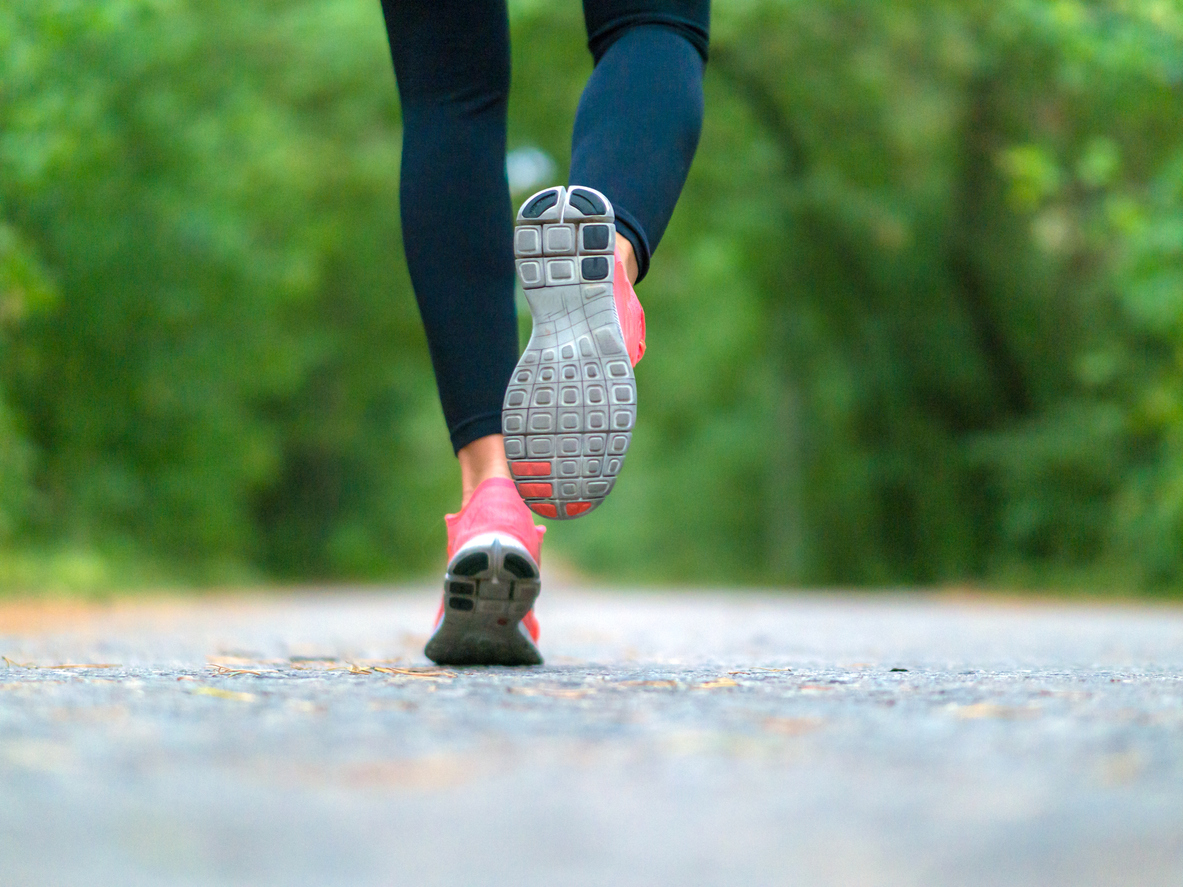
There are several trails and pedestrian paths in Fresno and Clovis to get in a good run or walk, and many neighborhoods in all Fresno County towns and cities have their own walking paths. To make it simpler, we researched these routes using Google search data and Strava heatmaps to give you the best trails to walk in Fresno County (in no particular order).
Woodward Park is easily the most well-known park in Fresno thanks to its sprawling trails through 300 acres of beautiful parkland. You can walk or run through this regional park year-round. Take in the serenity of the Japanese Garden, bring your dog to the fenced dog park, or experience the views of the wildlife in the southeast corner of the park.
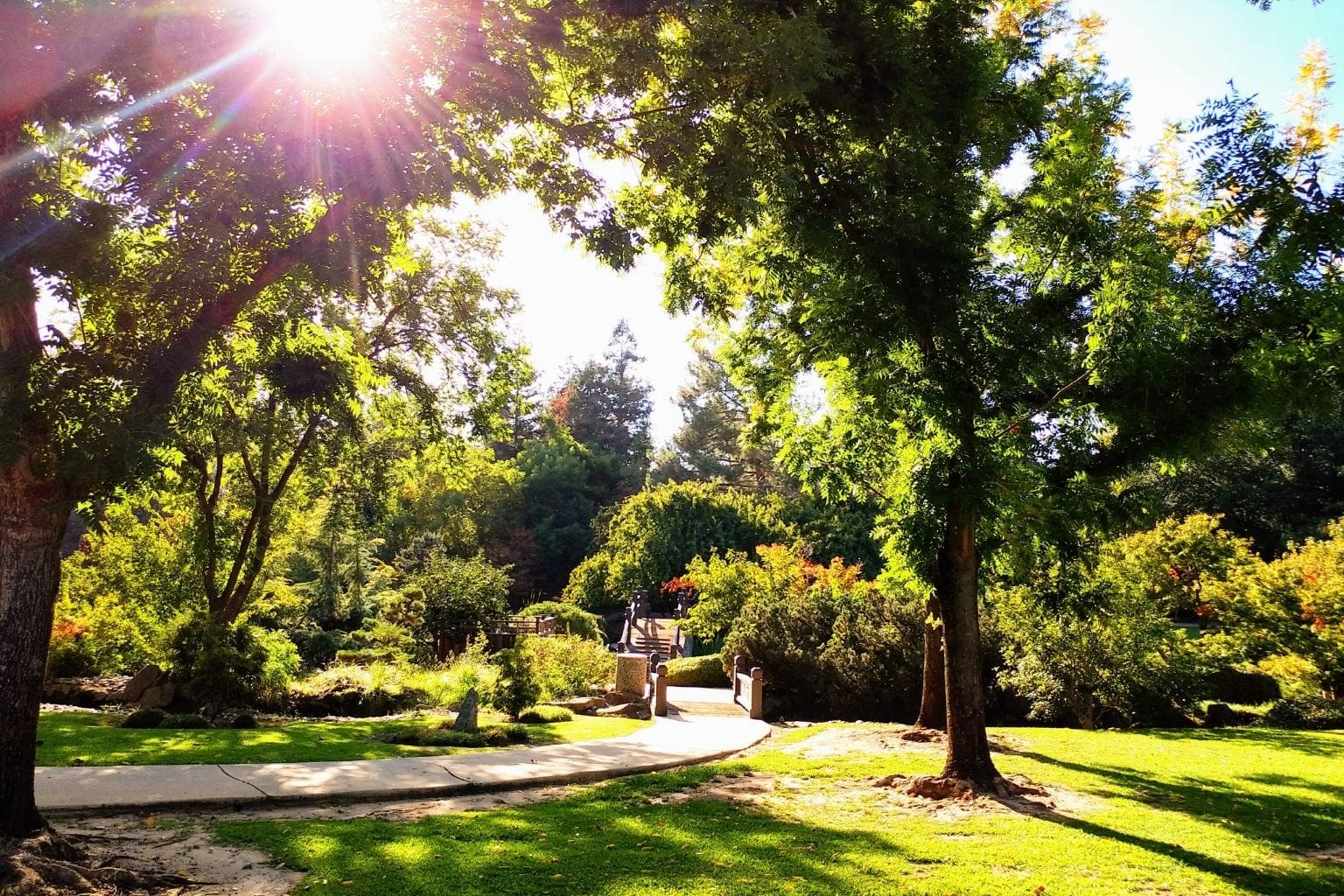
Walk or run this 3.5-mile paved trail that takes you from the Clovis Botanical Gardens in Dry Creek Park to the Dry Creek Trailhead, a light recreational area that serves as a good break before heading back. The trail is open to leashed pets and meanders along ponding basins, quiet neighborhoods, and art installations.
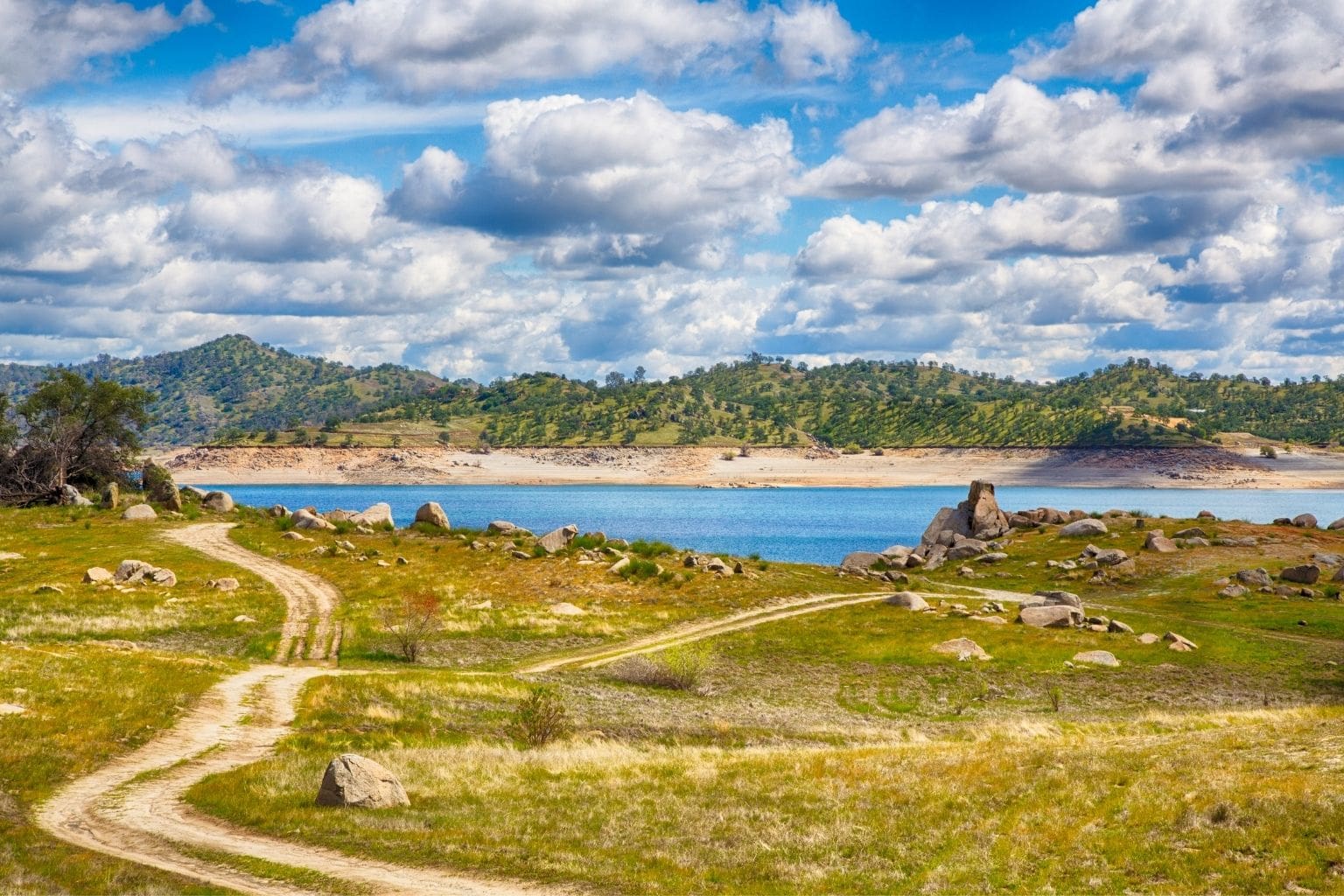
Unless you want to walk next to endless rows of farmland, there are only a few spots within 20 miles of Sanger where you can enjoy relief from the town life. The Avocado Lake Rim Trail is one of them, being a calm, hour-long walk around Avocado Lake, northeast of Sanger. It’s known for its fishing spots and mountain cycling trails, but the walk and views around the lake often have trail-goers coming back.
There are many things to consider before going out on a walk or run on one of these trails, whether it’s how or when you should do the exercise.
“Movement is medicine,” meaning that doing something is better than doing nothing. If you can’t run, then walk. Both running and walking are cardiovascular activities, which mean they work your blood circulation system, improving blood flow and lowering your resting heart rate. The heart is only the start. Walking and running helps you build strong bones, strengthens your immune system, and burns calories. Walking and running are also sometimes called “mobile meditation,” which means it can also help your mental health by relieving stress.
Running and walking each have their benefits and downsides: Advantages of Walking Over Running
Advantages of Running Over Walking
There are many things to consider before running or walking in Fresno County. In Fresno County, fire season could make the air quality very unpleasant. During days that the San Joaquin Valley Air District measures bad air quality, consider walking or running on a treadmill indoors. Heat is also an issue during the summer months. In the Central Valley, the hot, dry air can make physical activity uncomfortable. Before you head out for a good walk or run on any of these trails, check out this series of tips to make sure you’re exercising in a healthy way with your best form.
Usually, workout clothing is recommended for cardiovascular exercises like running and walking. However, you want to wear what makes you comfortable while running or walking. This could mean shorts and a no-sleeve shirt, or it could mean a windbreaker! One key thing to make sure of when you’re walking or running is to wear bright clothing during the day, or reflective clothing or blinking lights during night. Several of the trails above cross high-traffic streets, so wearing observable clothing is important for your safety. During hot weather, one of the most forgotten items to wear is sunscreen. Those walks or runs during high-noon with the sun in full force could cause burns and potentially other skin issues.
The following exercises can help you maximize your activity, prevent injury, and have fun while walking or running.
“Sit-to-Stand” Steps:
Walking is an activity in which you alternate your balance briefly on each leg. If you can’t balance on each leg without fatigue or loss of balance, you have a higher risk for falls. This exercise can help you improve your balance. Equipment needed: A chair or countertop “Single-Leg Balance” Steps:
Your calf muscles are part of your lower leg. Tightness can happen there, limiting the range of motion for your ankles while standing or walking. This range of motion is important to maintain because it’s needed for balance to decrease the risk of falls. Equipment needed: A curb, stepping platform, or phone book “Calf-Stretch Exercise” Steps:
Leg and hip strength are vital to your health and functional mobility. This exercise is a higher-level functional movement that directly contributes to a decrease in the chance of injury while running. Equipment needed: None “Squat” Steps:
Lunging is a functional movement that carries over to running with its split-stance position. The exercise promotes hip flexion and hip extension along with integrating your core muscles. Equipment needed: None “Reverse Lunge” Steps:
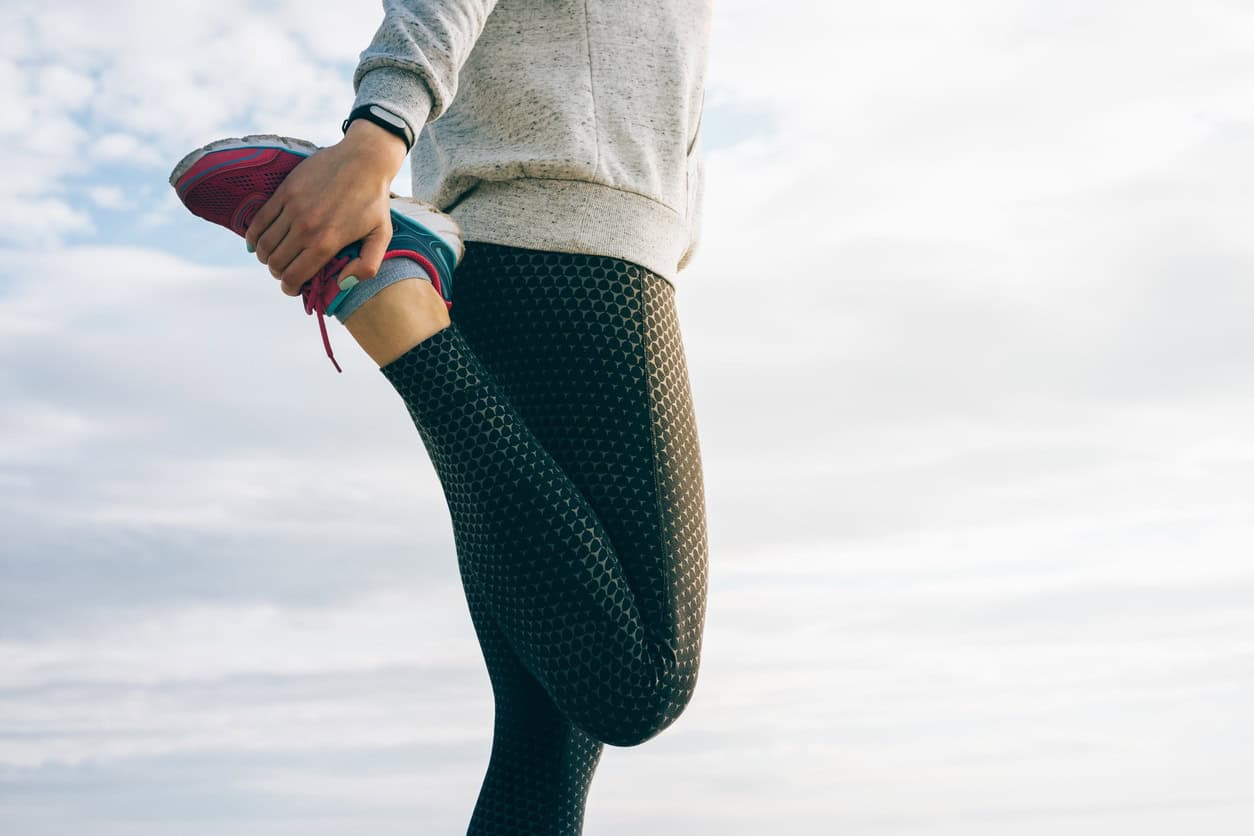
Running demands a lot from the anterior chain muscles, which include your hip flexor and quads. These muscles can become tight due to sitting-related tasks throughout the day. You need to give these tissues the proper length of stretch to prevent injuries due to tightness.The hip extension mobilization is also important because you are using your full hip joint. A very common distinction between a healthy runner and injured runner is the lack of hip extension mobility. Equipment needed: A chair and a towel “Hip Flexor Quad Stretch & Hip Extension Mobilization” Steps: