
More Than Physical Therapy: Taking Care Personally
Physical Therapy, Treatments By PRO~PT
Our commitment to our patients is what really makes PRO~PT stand out in the Central Valley. This is possible because of our equal commitment to training our physical therapists and physical therapy assistants by using up-to-date research to ensure we deliver the best assessment and treatment to our patients. Our patient care methodology is based on The McKenzie Method of Mechanical Diagnosis and Therapy (MDT).
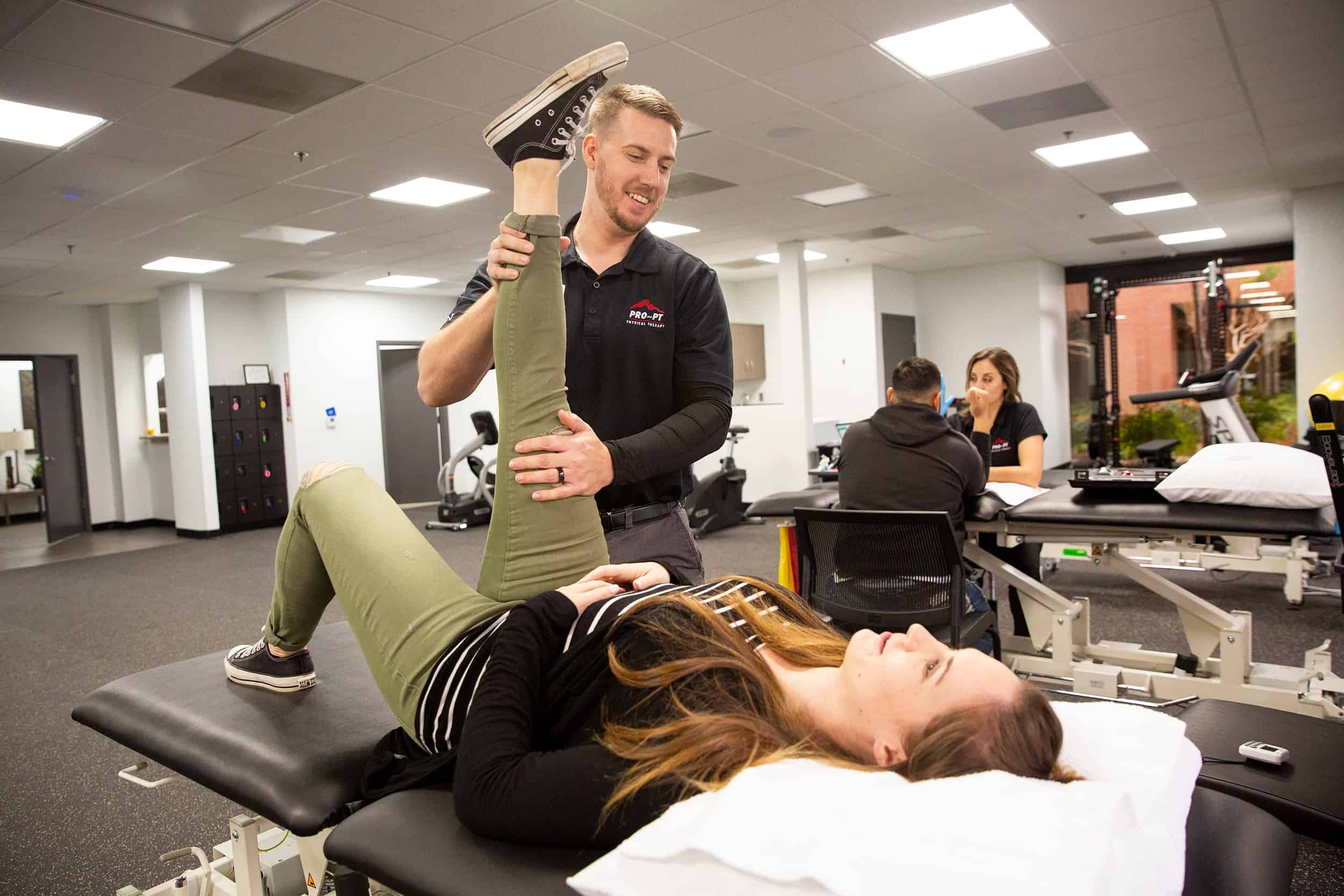
The McKenzie Method of Mechanical Diagnosis and Therapy was developed by physical therapist Robin McKenzie over 60 years ago. Contrary to popular belief, this isn’t simply a method of treatment. Nor is it just for spinal issues. MDT is a reliable assessment system that is applicable to all musculoskeletal injuries, regardless of the medical diagnosis, resulting in a mechanical diagnosis that helps your provider understand the underlying cause, presentation, and behavior of your symptoms. This assessment leads the practitioner directly to the most appropriate treatment method for the patient, with an emphasis on patient education and patient self-treatment through the guidance of the practitioner. MDT is well-researched, exercise-based, and patient-empowering, resulting in less time at the doctor’s office and less money spent on medical care.
MDT is a high standard of care in physical therapy because it is:
Physical therapy using The McKenzie Method MDT has a specific process that puts the patient first.
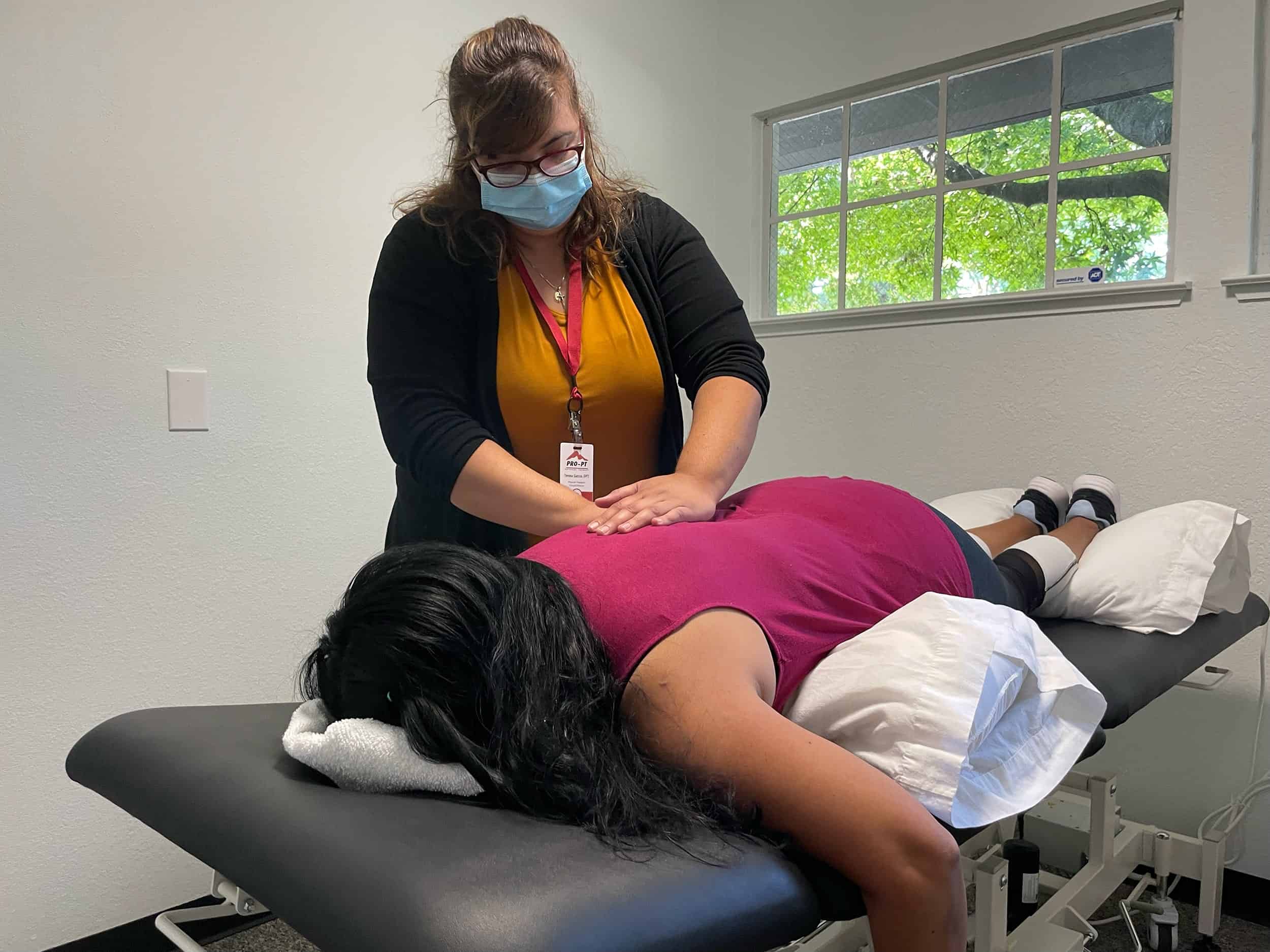
Physical therapists properly trained in MDT are able to better understand their patient’s symptoms, develop a mechanical diagnosis, and determine the best treatment plan for their patients. After completing both entry-level and advanced MDT coursework, a PT can apply to become certified in MDT, which includes successful completion of a written and practical credentialing exam. MDT certification demonstrates advanced clinical competency of a physical therapist’s understanding and proficiency in using the MDT treatment method. PRO~PT strives for all of our physical therapists and physical therapy assistants to be trained in and use this method.
MDT is both an assessment system and a treatment method. It’s not just a group of different exercises. One of the key differentiators is that this assessment system leads to a clinical classification, which then provides the foundation and roadmap for the treatment plan that will work best for the patient. Some other key differentiators include:
MDT is preventative. MDT emphasizes prevention by actively educating the patient on cause-and-effect, activities, and modifications to reduce the recurrence of symptoms.

The McKenzie Method of MDT physical therapy is a proven physical therapy methodology that is backed by numerous studies. In fact, the evidence for MDT-guided physical therapy in patients who exhibit “centralization” or “directional preference”—core pieces of the MDT treatment program—is so strong that the American Physical Therapy Association published the following statement in their Clinical Practice Guidelines for Low Back Pain:
“Clinicians should use specific repeated movements to promote centralization in patients with acute, subacute or chronic low back pain, with the recommendation based on Grade A, ‘strong evidence.’”
A randomized control trial in 2012 showed that patients with severe sciatica responded significantly better to treatment using MDT methods compared to alternative therapy treatments (Albert, 2012). The patients in the study had an average of only 5 treatments. The MDT group had significantly superior results on the following outcomes:
Another randomized control trial conducted in 2011 compared the long-term outcomes of patients with low back pain who received treatment with MDT methods against patients who received spinal manipulation. This study found that patients treated with MDT methods had higher success rates than those treated with spinal manipulation (Peterson, 2011).