More Than Physical Therapy: Taking Care Personally
Physical Therapy, Treatments By PRO~PT
Imagine that you want to improve your golf swing, whether you have an injury or not, but you suffer pain in your back that is affecting your rotation. A trainer may give you some exercises or tips to try to strengthen or relieve your back muscles. However, your back may not be the issue at all! It could be any number of issues with your hip, or maybe your feet—if you continue with those exercises and it doesn’t help, you may find yourself continuing to play with that pain and not reaching your true golfing potential.
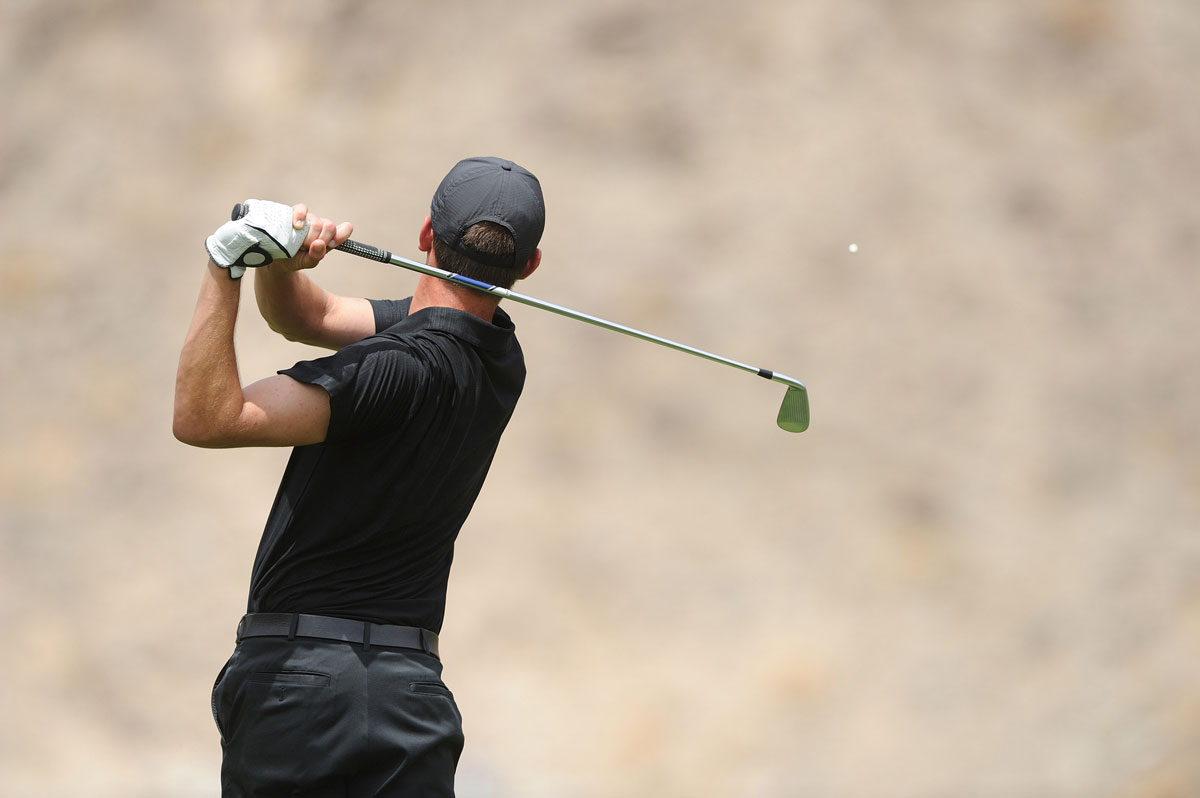
It takes a physical therapist trained in the details of how your body works while playing golf to accurately diagnose the issue, reduce your pain, help you recover from injury, and help you improve your form. PRO~PT is the only series of major physical therapy clinics in the Central Valley that offers an injury and performance golf program with physical therapists certified by the Titleist Performance Institute (TPI). Our dedicated medical professionals will work with you on solutions to better your physical mechanics for golf, whether it’s recovering from an injury, relieving pain from golf, or simply wanting to maximize your potential. Whether you’re located in our area or not, follow along through the rest of this blog to find out:
Several physical therapists across PRO~PT’s 14 clinics in the Central Valley and North Valley hold certification from the Titleist Performance Institute, professionally qualifying them to assess and manage physical issues as they relate to golf performance.
The Titleist Performance Institute is a training ground for fitness, golf, and medical professionals of many backgrounds to use Titleist’s decades-long research into golfers and their mechanics as a resource for anyone who wants to golf. TPI describes itself as “an evidence-based, educational pathway designed to teach industry professionals how to increase player performance through a deep understanding of how the body functions during the golf swing.” Being certified means that our physical therapists use the research and work that Titleist has developed over many years with professional players to know what goes into your golf swing and how to treat any issues from an orthopedic physical therapy perspective.
There are many different golf swings people have, whether you’re a junior golfer still developing your swing, or a professional who needs help alleviating pain that is affecting your performance. However, every swing features the same kinematic sequence of muscle and body movements. Our TPI-certified PTs can help ensure everyone’s body moves at its highest level to get everything out of their swing that they can.
PRO~PT currently has an injury & training program at their Fresno West office with the Fresno North location also adding the program soon. We also occasionally hold free baseline golf mechanics screenings at the Bluff Pointe Golf Course and Learning Center in Fresno. If you’re not located near any of our Central Valley physical therapy clinics, you can also use MyTPI.com’s tool to search for a TPI-certified expert near you.
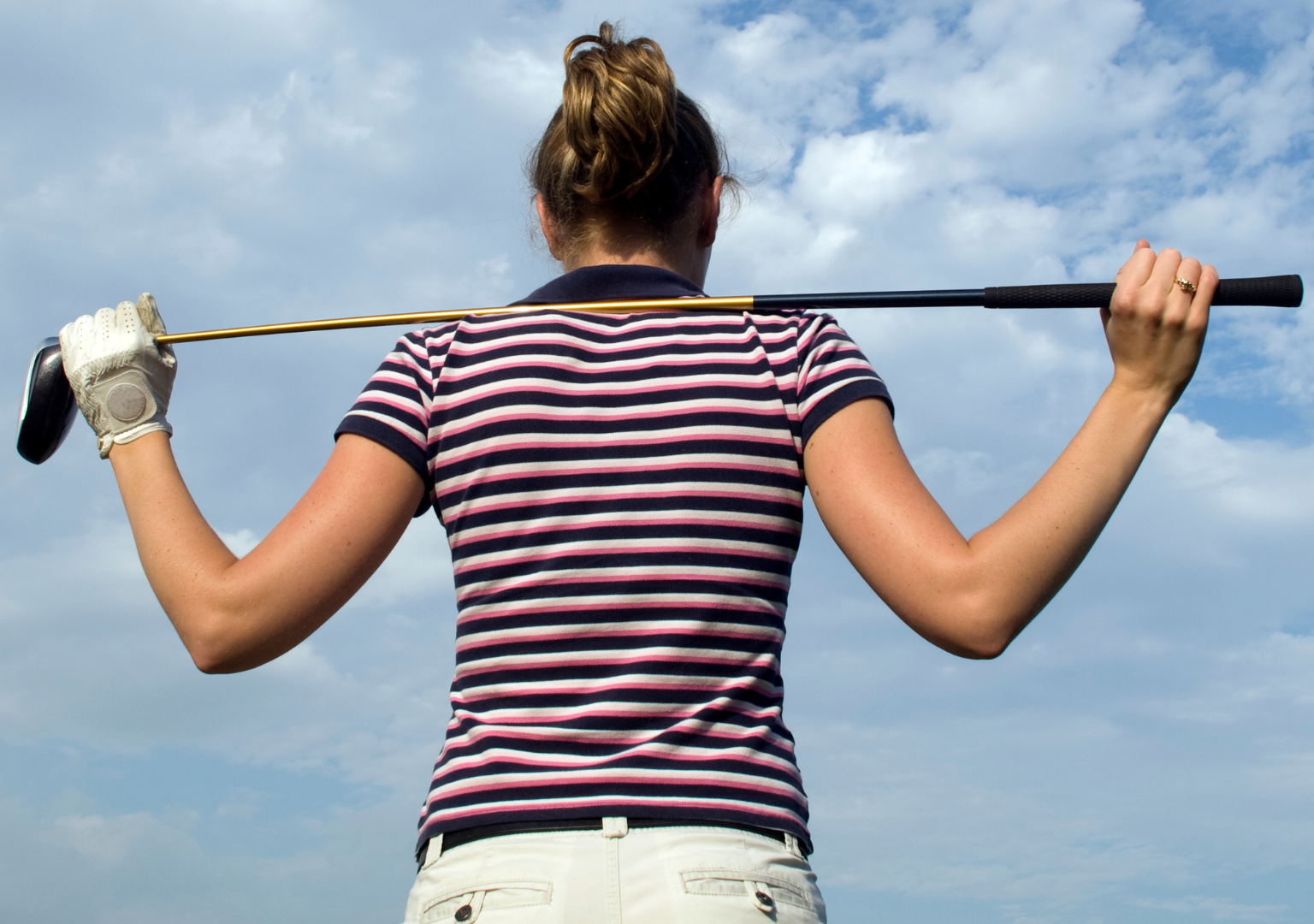
The physical movements you make while playing golf are very different than your everyday activities. This means that unless you golf very frequently, using TPI-certified physical therapy to help correct issues, your body won’t be used to the movements, and it may rarely result in pain or injury. Possible injuries that may be seen in amateur and professional golfers alike:
The following have been noted as possible treatments for golf-related physical problems.
However, our TPI-certified physical therapists advise anyone to complete a screening before trying any of these treatments. A proper screening can direct your attention to the exercises and treatments that work for you.
Warming up before hitting the golf course is a good way to avoid injury. Also, the following exercises can help you strengthen your body, improve mobility & flexibility, and relieve pain during golfing movements. View the videos for further guidance.
This exercise tests how good your shoulder and shoulder blade mobility is, as it relates to your golf swing.
This exercise tests your thoracic rotation is to the left and right correlating to your backswing and follow-through.
This exercise helps players improve mobility in their lower back and identify where their center position and neutral spine position when they are setting up their swing.
This series of exercises focuses on strength and endurance of your hip’s internal and external rotators, which are critical for your golf swing. Included in this circuit are the Clamshell Exercise, Reverse Clamshell Exercise, Open Clamshell Exercise, and the Hip Extension and Internal Rotation Exercise.
This exercise targets the large band of fascia through your entire trunk and hip to significantly improve the rotation of your swing.