
More Than Physical Therapy: Taking Care Personally
Physical Therapy, Treatments By PRO~PT
Your body requires calories as energy to function while active or at rest. Food is the source of those calories, but it’s important to choose foods that support the lifestyle you’re trying to maintain. Good nutrition is key for your body’s overall well-being, and whether you’re currently in PT or not, good nutrition will support your other health goals, too.
Not every calorie is equal. Vegetables and fruits with 240 calories impact your body differently than a 20-ounce soda that has the same amount of calories but also 15 teaspoons of sugar in the form of high-fructose corn syrup. While the micronutrients in fruits and veggies nourish the body, the sugar in soda is linked to:
Good nutrition has for years been considered a healthy behavior that reduces the risk of chronic disease, along with controlling weight, avoiding smoking, moderate-to-low alcohol use, low use of non-narcotic pain relievers, and regular exercise.
It seems like we hear about a new ‘revolutionary’ or ‘breakthrough’ diet every day. It can be hard to determine whether a diet is legitimate, simply a ‘fad,’ or even both. Where do you start learning about the best nutritional diet for you? Here are some steps you can take:
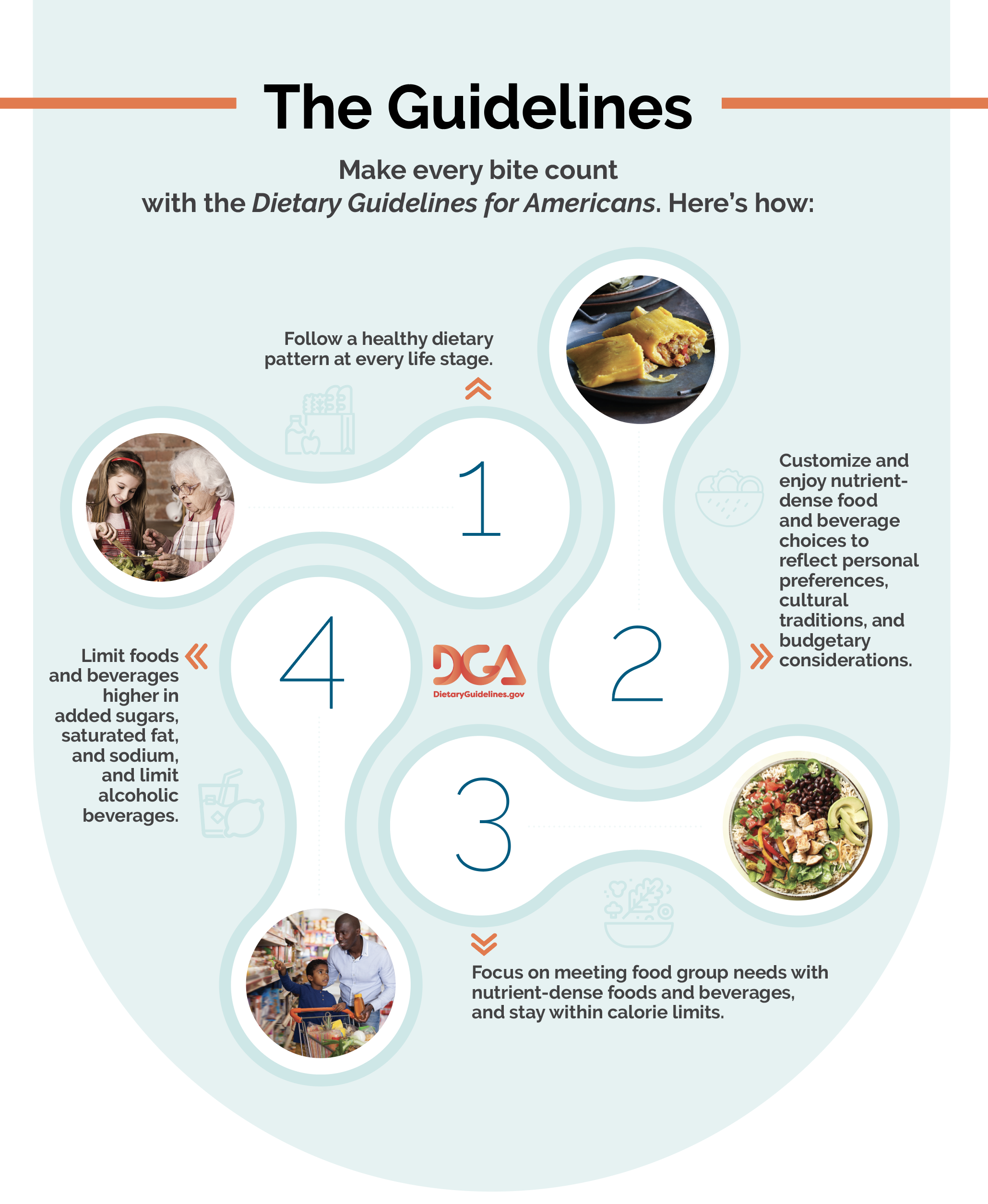
While there may not be total agreement on overall nutritional guidelines, there are some widely accepted facts that will help you make informed decisions about your diet.
“The average adult needs between 60 and 90 grams of protein each day,” according to ‘Food – What The Heck Should I Eat,’ another book by Dr. Hyman. Protein is the food for your cells—it provides essential amino acids that cells need to maintain and regenerate. While your body may prefer plant or animal protein, it’s vital that you consume enough for your body to function in a healthy manner.
As physical therapists, we see the impact that chronic conditions have on all types of people. Most chronic conditions are heavily dependent on external factors outside of your genetic makeup. Some foods that help you prevent chronic conditions include plant foods, which are rich combinations of blood-sugar-balancing, anti-inflammatory, and detoxifying compounds called phytonutrients. The anti-inflammatory effects are particularly important because inflammation has been linked to most diseases associated with aging. The Daniel Plan suggests half of your plate should comprise of non-starchy vegetables to help reduce risks for chronic conditions, including obesity, which itself is an inflammatory condition.
Nutrition and physical inactivity have a significant impact on common medical issues, including musculoskeletal health, according to Ginger Garner, PT, MPT, ACT, PYT. Trauma, stress, lack of sleep, lack of activity, and diet all influence inflammation that results in pain syndromes, according to research by Practical Pain Management.

While we treat many conditions through physical therapy, we recommend good nutritional practices so our patients can live their best lifestyle. Request an appointment today with one of our experienced and qualified physical therapists.